


Less than a century after France had helped bring the American Revolution to a successful conclusion — an effort that included not only military power but also a fortifying supply of French wine — the Americans had a chance to return the favor. This time, though, it would be through an unprecedented scientific and agricultural partnership between winemakers from both nations.
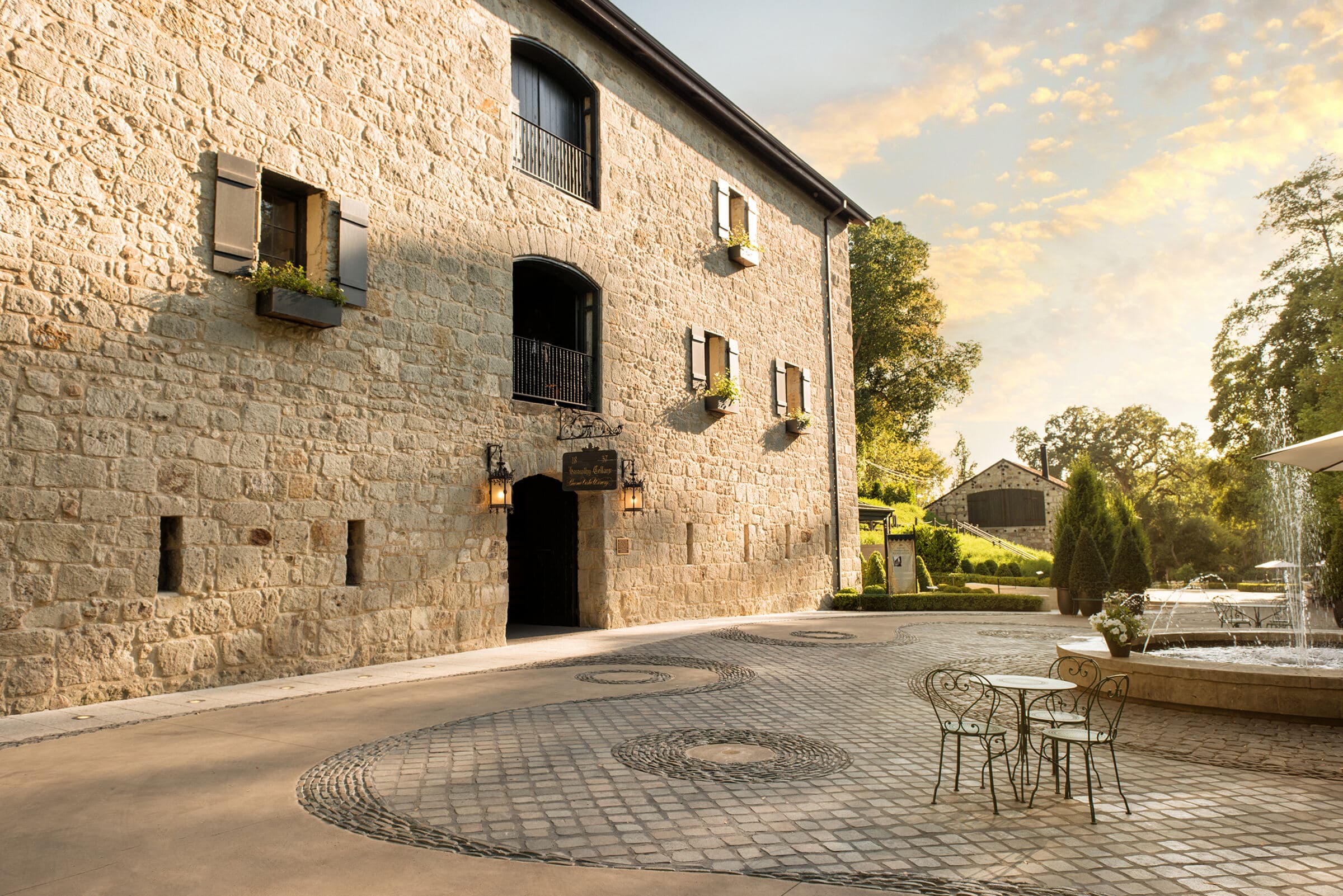
The Great French Wine Blight — often known today by the single name of the insect pest that delivered it, Phylloxera — began in the early 1860s and threatened to completely destroy wine production in its very epicenter. At that time in the United States, there was only a scattering of wineries, and barely a handful. One was Buena Vista Winery, still in existence today, and now owned by the Boisset Collection, a company with important brands in both France and America. It is in many ways symbolic of the longtime relationship between the two nations — a relationship forged in crisis and stronger on the other side. When France came calling, it was wineries like Buena Vista that answered.
The Count of Buena Vista
Winemaking had been taking place in America for longer than many realize — first cultivated by French Huguenots in Florida in the early 1500s, and then, more successfully, by Spanish missionaries in New Mexico, in the 1600s. These wines were the first in the New World from Vitis vinifera, the great varietals of Europe, and soon migrated into California.
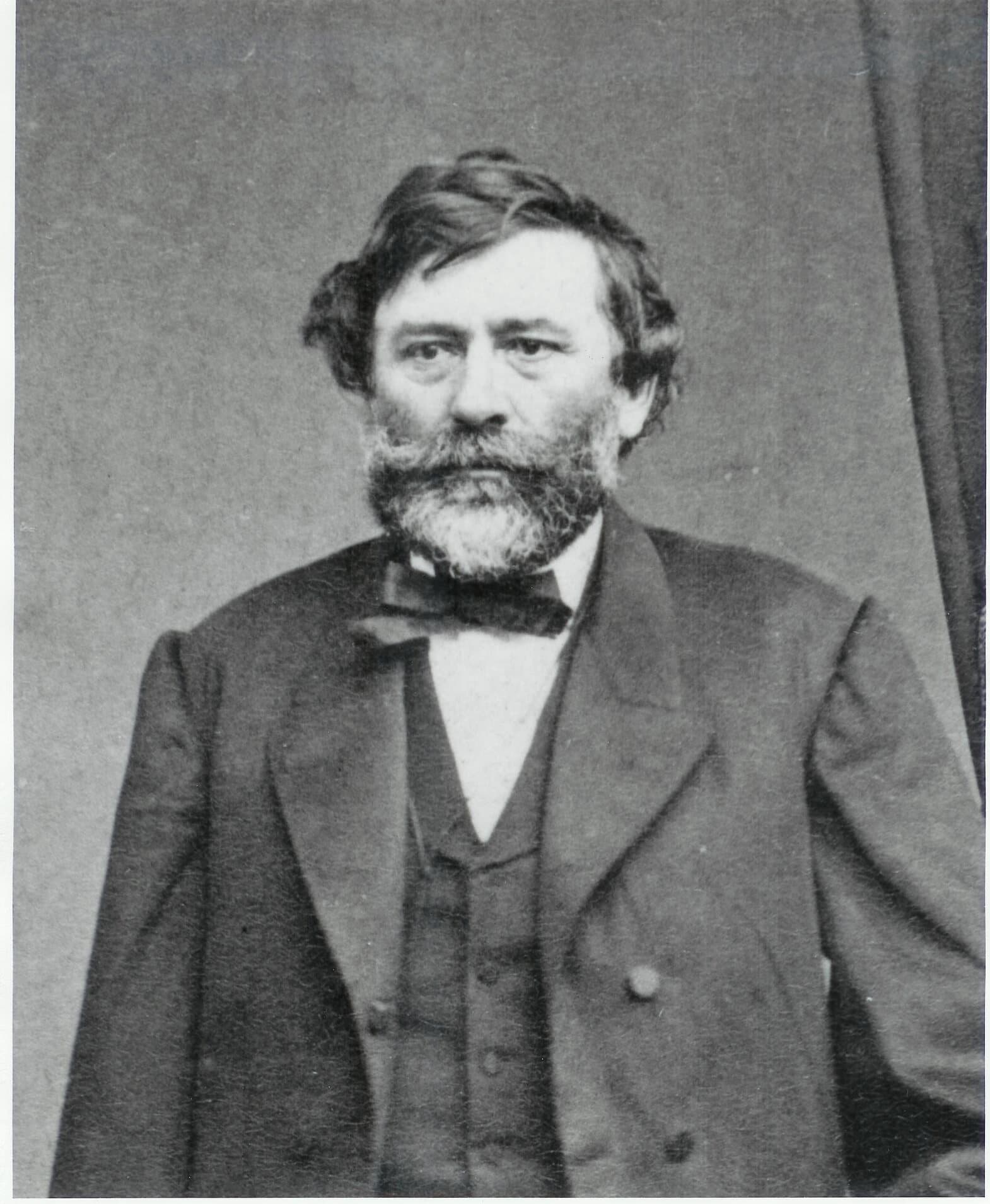
Two centuries would pass before the pioneering eccentric and entrepreneurial Agoston Haraszthy would plant the roots of the California wine industry of today. The Hungarian immigrant first tried cultivating vines in Wisconsin but soon learned the winters were prohibitive. Once he'd arrived in Sonoma (among other adventures), he founded Buena Vista Winery. By that year, 1857, some farmers were trying their hand at wine production, but his was among the very first commercial attempts. Haraszthy was so determined to succeed that he visited the birthplace of fine Burgundy, the Chateau du Clos de Vougeot in 1861.
Rooted in both nations
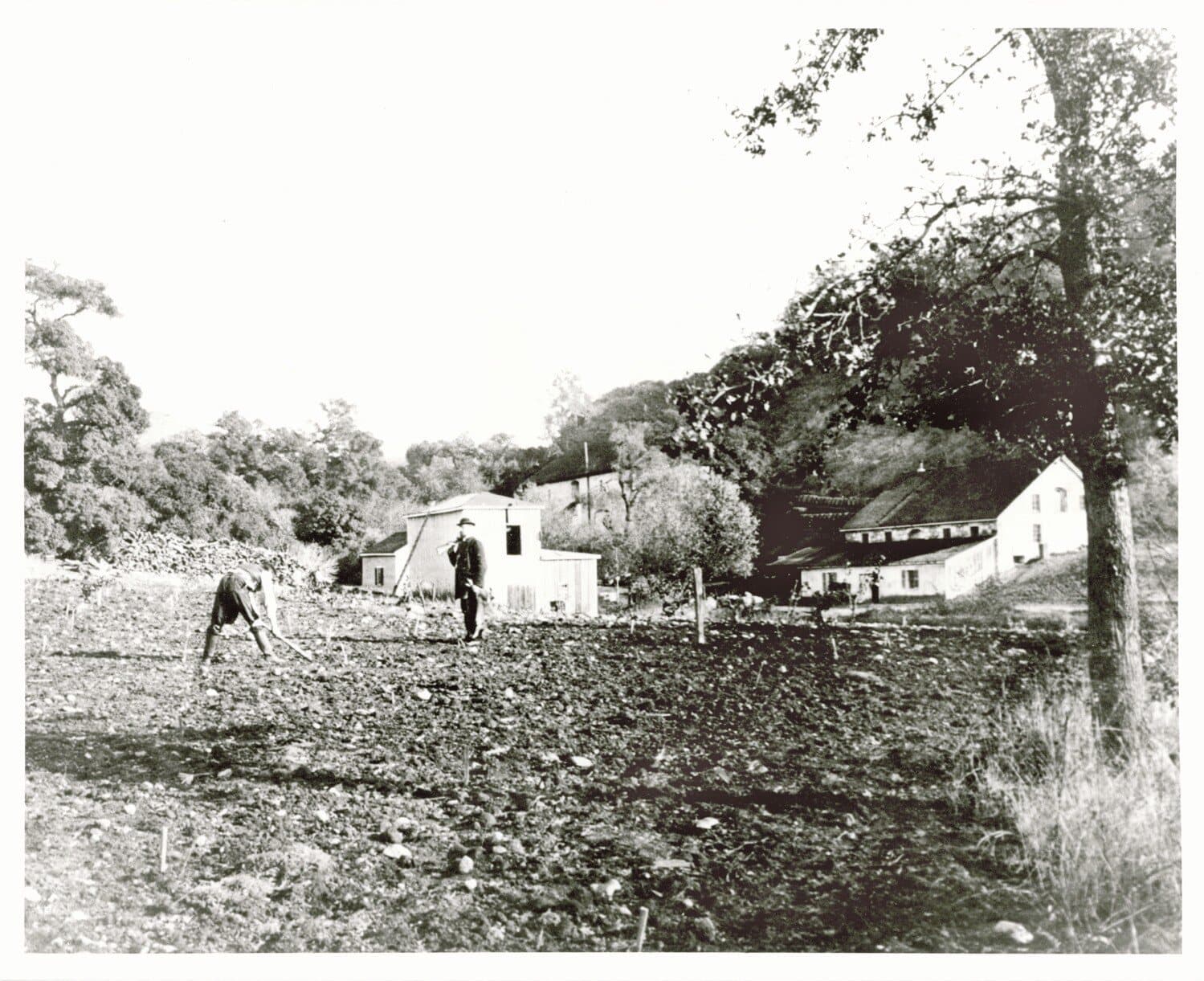
That was the Wild West to which the French came seeking help, in hope of saving the country's centuries-old wine industry.
The Blight had an innocent, perhaps ironic beginning, when European botanists and wine collectors in Europe brought vines back from their travels in North America. In the roots was a microscopic traveler, carrying Phylloxera vastatrix, an aphid-like insect native to North America. Many American grapevines, having evolved over centuries, were essentially immune to the pest; not so the glorious Vitis vinifera of France.
Discovering the cause of the rapid demise of European vines took even longer than it might have, as by the time the insects feed from and poison the vines, they move on, leaving no visible evidence for the desperate farmers. First noticed in the Southern Rhône valley around 1863, the blight spread rapidly across France, destroying more than 2.5 million hectares of vineyards in less than two decades.
The breakthrough to rescue came from a collaborative scientific effort. Jules Émile Planchon, a French botanist from Montpellier, teamed up with Charles Valentine Riley, an English-born American entomologist working in Missouri. Riley confirmed Planchon's suspicion that the insect ravaging France was the exact same pest found on wild American vines. It could not be eradicated — instead, French vines would have to grafted onto American rootstock.
It was not the most popular suggestion. But the consensus of the leading French and American scientists was bolstered by a growing industry in the United States. From Missouri through Texas and parts further west, horticulturalists were studying wine growing. Their conclusion, to cut the top portion (the scion) of premium French Vitis vinifera vines and physically bind them to the rootstocks of native American grapevines, would prove successful. The resulting hybrid plant would still produce the same high-quality French grapes above the ground. Experts from both nations visited one another. It was the next chapter in the relationship, rooted in the ground of both nations.
A living museum
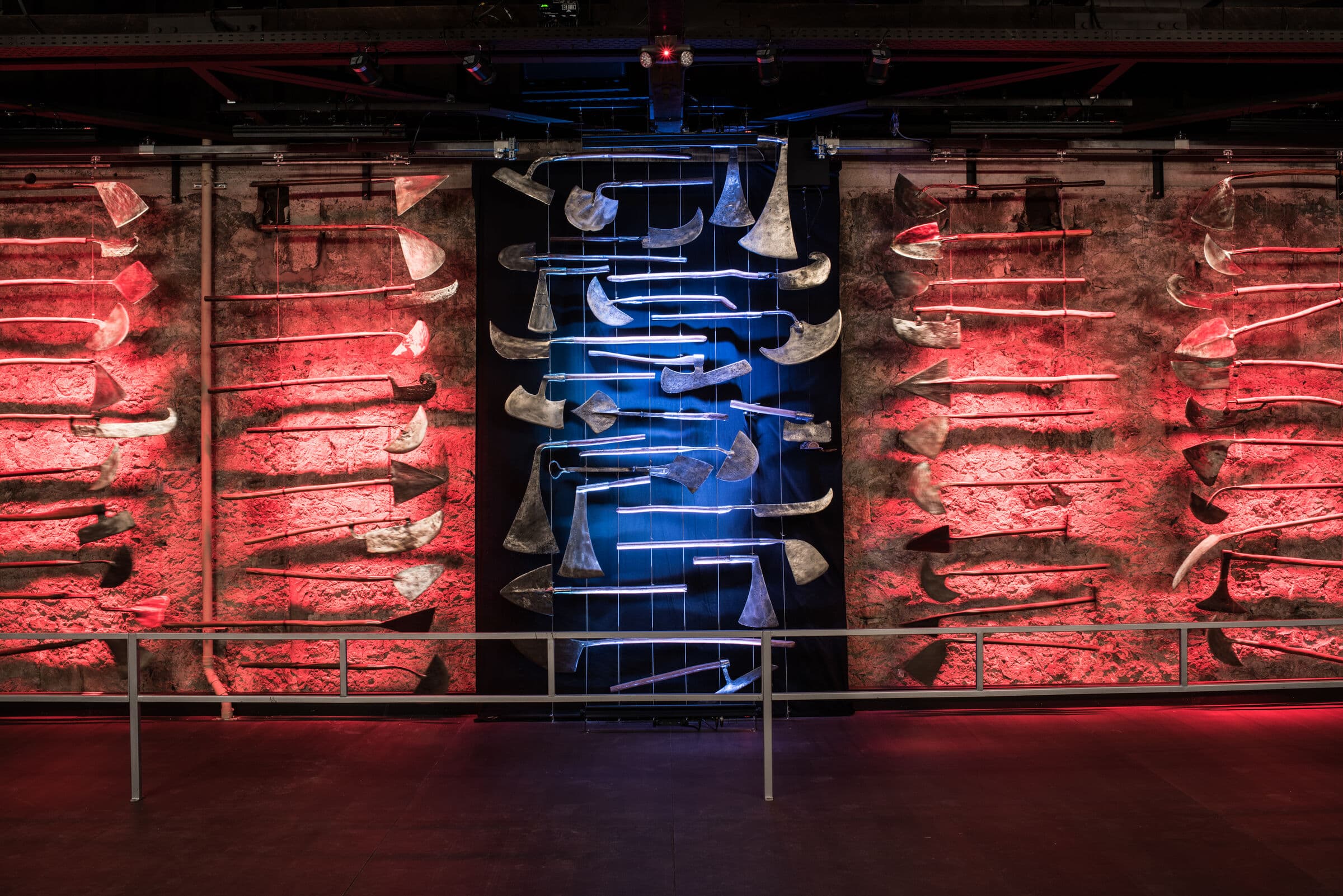
Today, the Boisset Collection maintains two fascinating museum collections which bring that time to life through imagery and an astonishing collection of tools from 19th century viniculture. At the legendary Buena Vista Winery, visitors can experience a time capsule of sorts, with up-close viewing of the many handmade implements used to grow (and in thousands of cases, rescue) grapevines. A similar collection is on view at Oakville Wine Merchants, a premium tasting room located on St. Helena Highway in a landmark 1881 Victorian home.
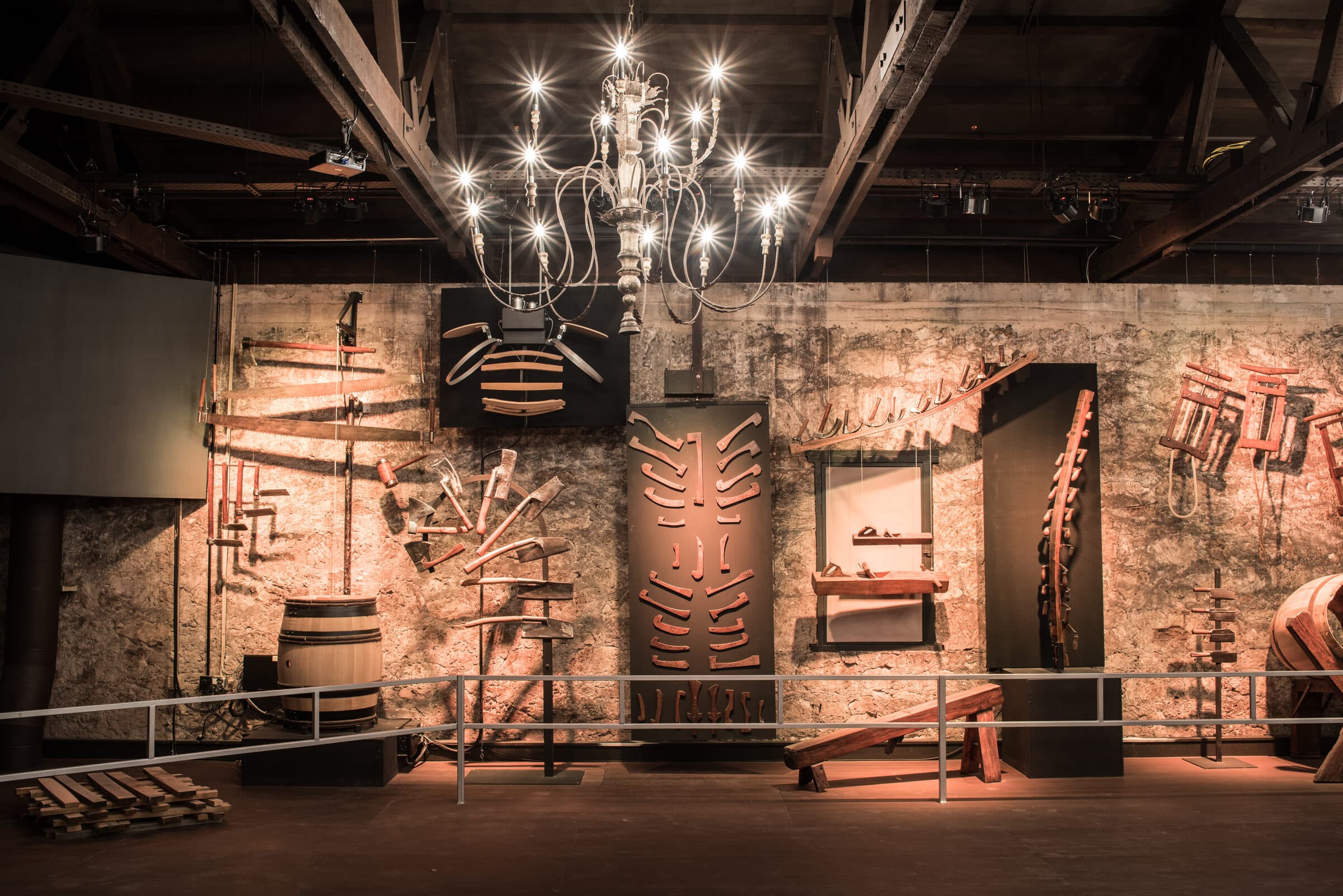
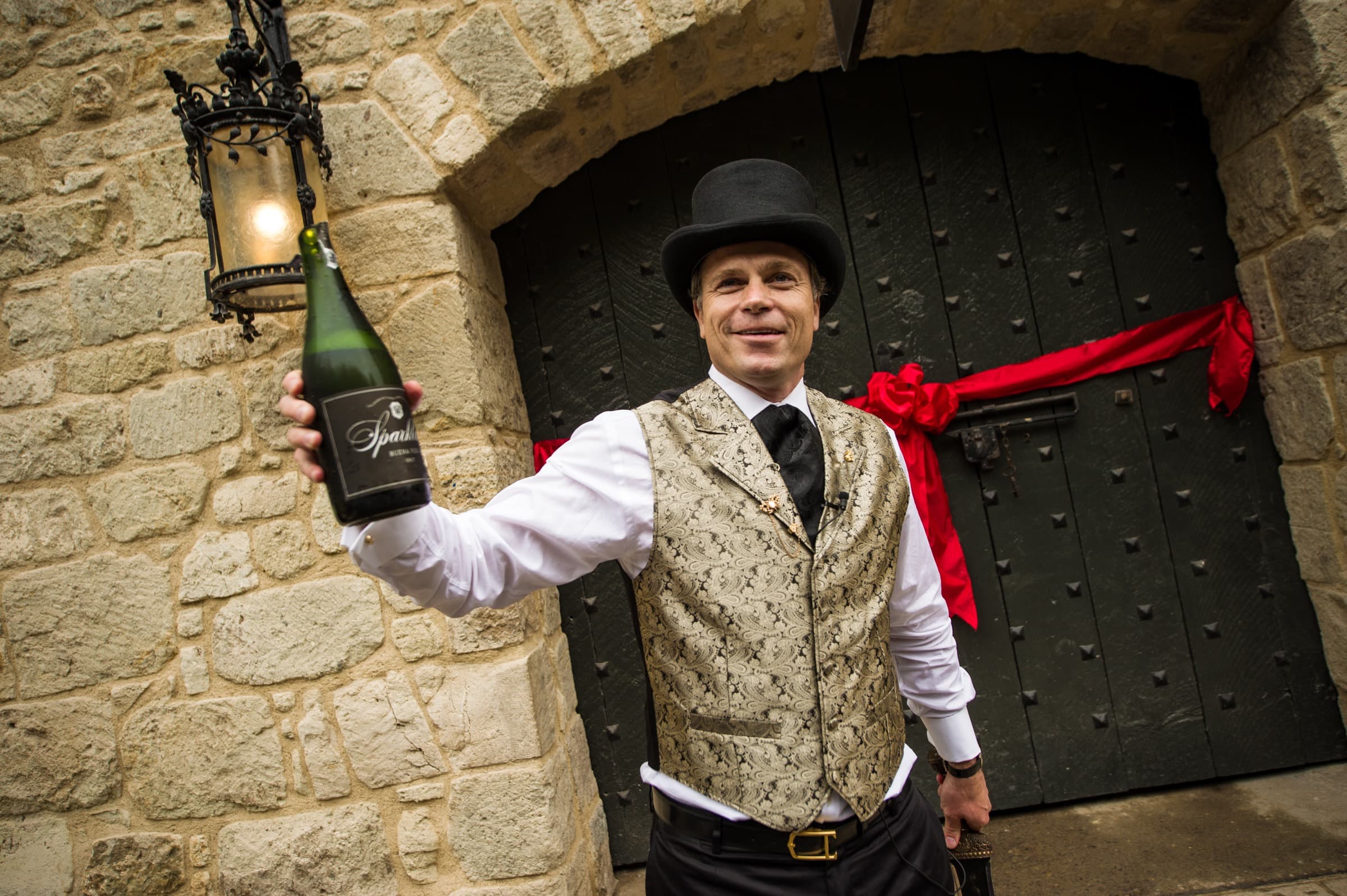
Both places give a literal taste of the glorious present of Napa and Sonoma wines — and a reminder of just how global wine culture really is. Jean-Charles Boisset, proprietor of the Boisset Collection, visited Buena Vista Winery as a boy and dreamed that one day he would make wine in California. And now he does, the latest steward of what he has called "the rare and radiant relationship between France and the United States."
“The rare and radiant relationship between France and the United States.”
The Anniversary Series
Continue the story