


It seems appropriate to note that when the Marquis de Lafayette sailed from France to come to the aid of the Continental Army and George Washington, he did so using his own money. It was 1777, near the start of the American Revolution, and the principles driving the clash had sparked the imaginations of the up-and-coming, enlightened generation in France — so much so that the boldest of them were ready to take action. Liberté, égalité, fraternité, after all, would soon become the official motto of the nation.
When Lafayette sailed, he brought with him barrels of French wine — meant to offer comfort, lubricate friendships, and, of course, to share his nation's most-beloved expression. That cargo helped begin an alliance that continues today.
The wine was a powerful supplement to the main gift — naval power. As a great island empire, England could control the seas up and down the eastern coast, stifling supplies and providing an overwhelming military advantage. But the French navy would prove decisive in the conflict.
Much of the strategic aid came behind the scenes — and much of it was worked out over glasses of good Burgundy. When George Washington received the devastating news that one of the country's top officers, Benedict Arnold, had betrayed the cause, Lafayette was there to offer a glass and forward-looking conversation. Shortly thereafter, in September of 1781, Admiral De Grasse's French fleet intercepted the English navy, who retreated. It would prove a tremendous turning point, as a united force of American and French soldiers soon achieved a victory at Yorktown.
The origin of the pour
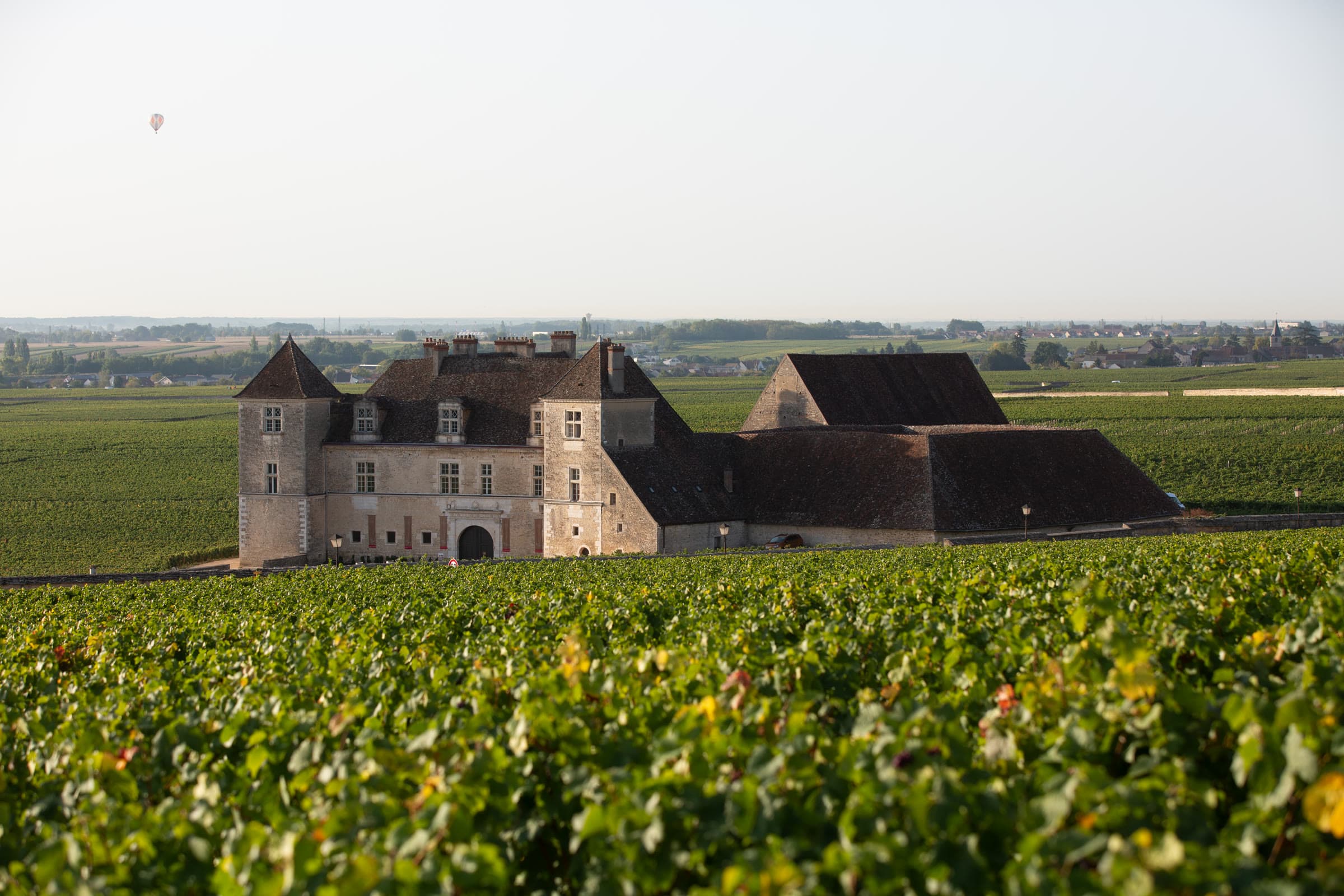
So what were those delicious and fortifying wines? Burgundies, to be sure, and among them would have been exquisite Pinot Noirs from that region's original growing area. Clos de Vougeot, a walled vineyard created by Cistercian monks around 1097, is the birthplace of fine Burgundy. They had begun in reaction to other monasteries' focusing on wealth and other worldly things. Cistercians' lives were ordered by the concept of Ora et Labora (Prayer and Work), and that careful approach to the day-to-day led to some serious winemaking. They did not lease their land; they worked it. Early on, the monks realized that grapes grown on different parts of hillsides would produce different flavors of wine. They kept careful records. They labored. Wine, the holy drink of their faith, was tended with the utmost care.
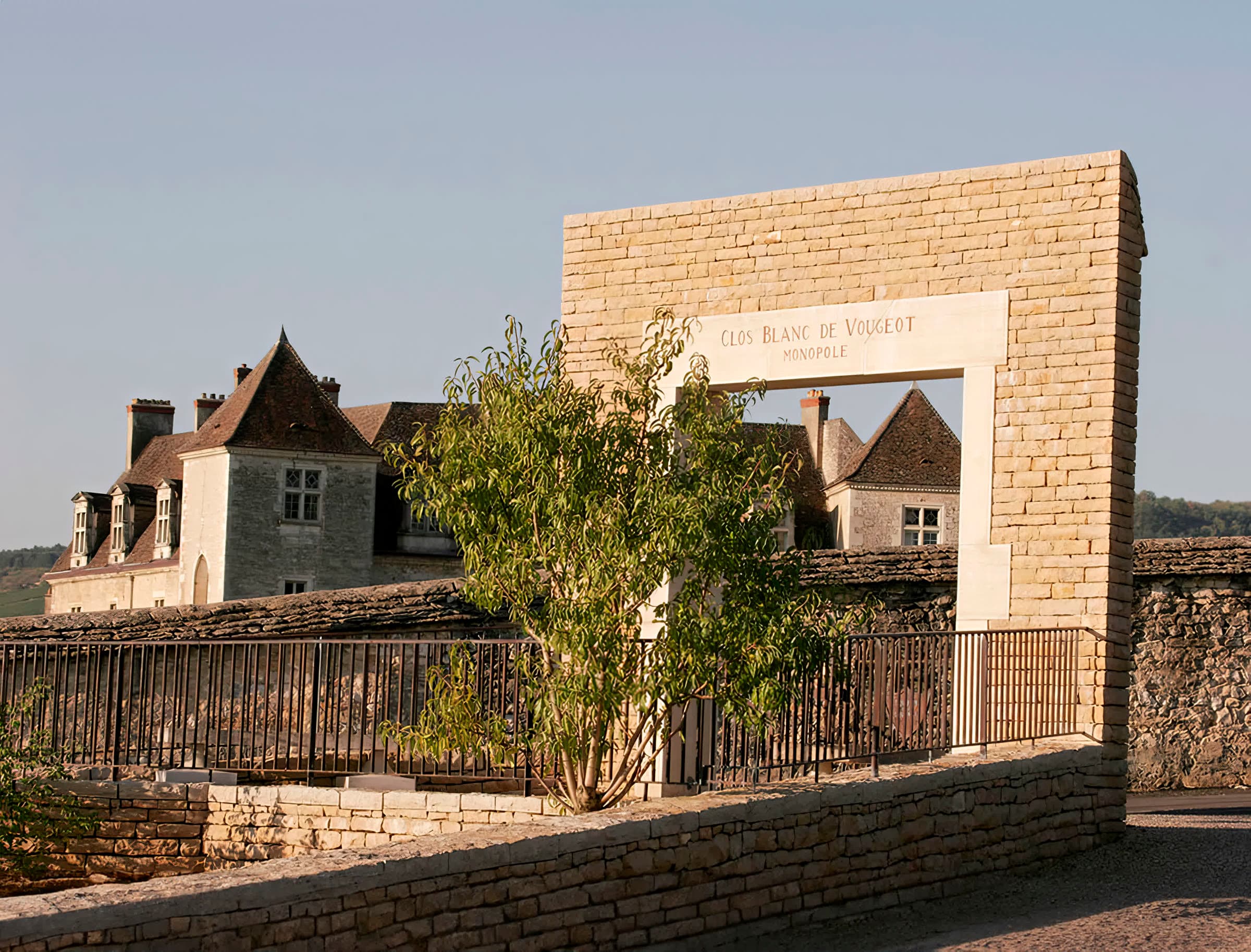
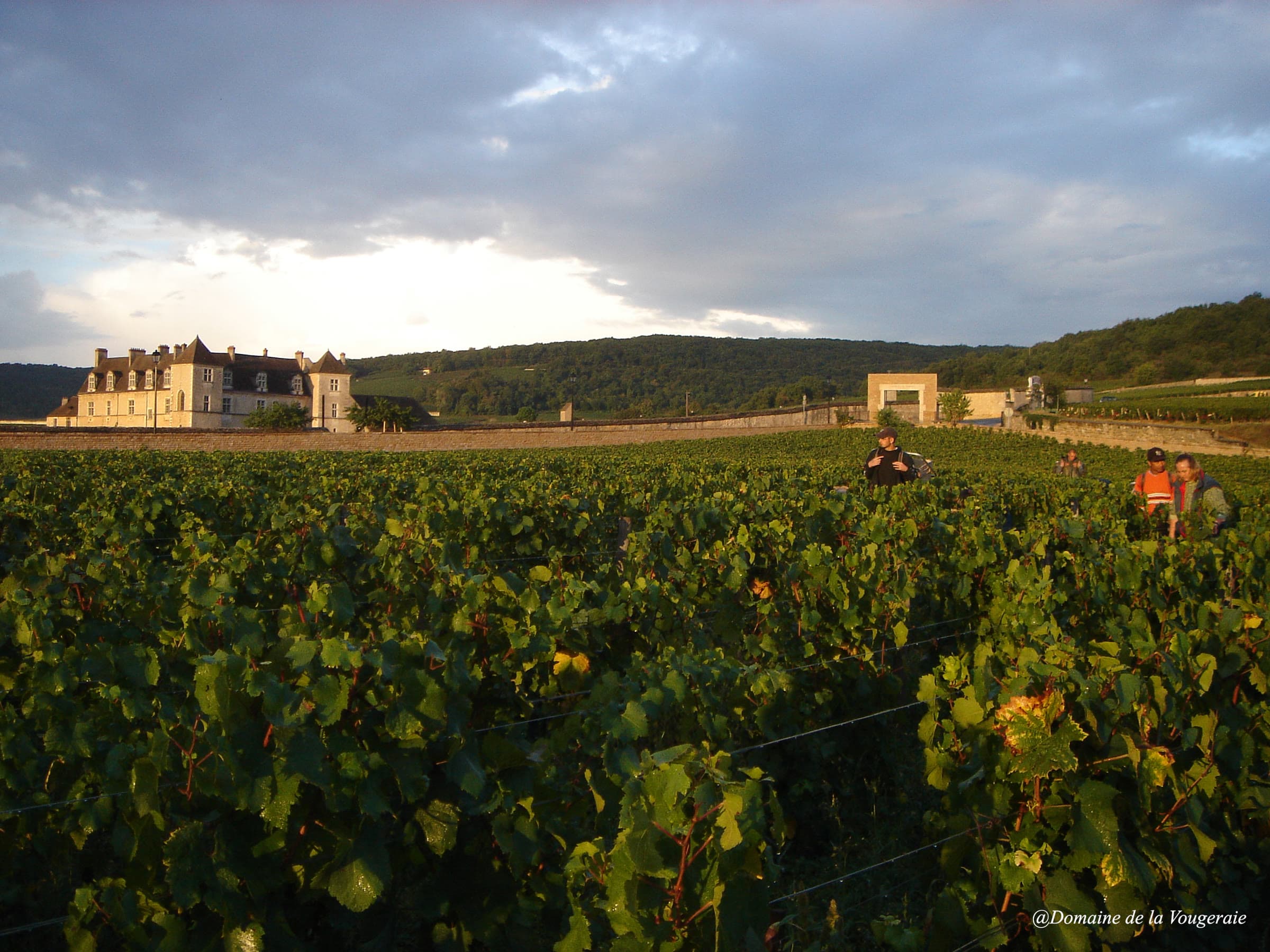
It is a happy twist of history that the current stewards of this land share a devotion similar to its founders. Careful, expert practices continue today under Domaine de la Vougeraie, a collection of Burgundy vineyards owned and operated by the Boisset Collection. The vineyards all reside within the storied terroir located between the Côte de Nuits and the Côte de Beaune. Wines from its Monopole vineyard, the Vougeot 1er Cru Clos Blanc, remain among the most sought-after in the world.
Given the background of the owner of the operation, Jean-Charles Boisset, it comes as no surprise that Boisset continues the traditions of the region. He was born in the village of Vougeot, literally within view of the centuries-old vineyards. What's even more remarkable, though, is that the company embodies the Franco-American affinity that began in the 18th century. Boisset operates a number of distinguished vineyards in the United States, tended with the care of someone who takes the long view of winemaking — respecting the earth and its treasures.
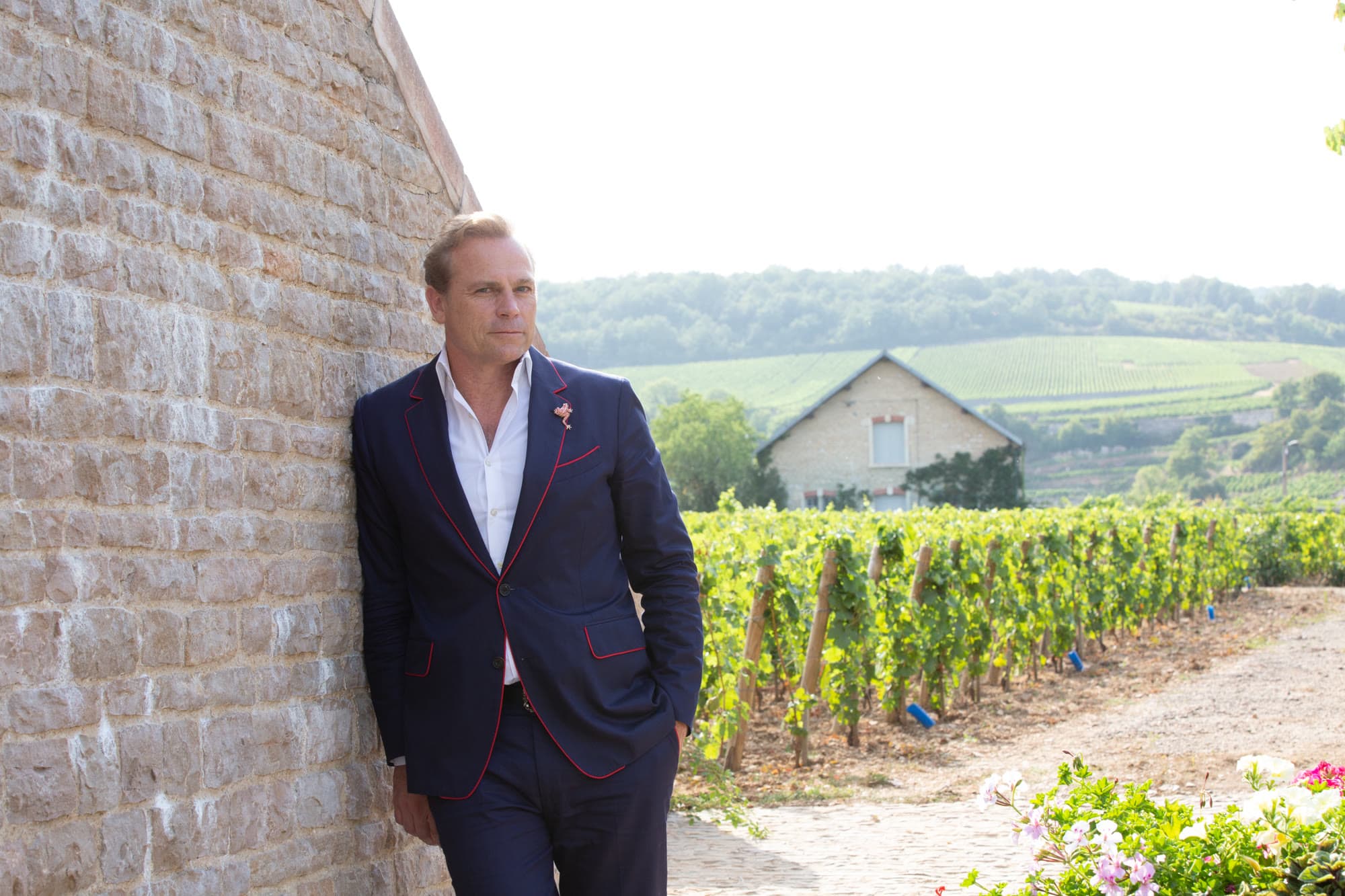
“My commitment, on both sides of the Atlantic, is part of this sacred legacy. To keep this heritage alive, to pass it on and to celebrate it.”
The Anniversary Series
Continue the story